Grey Skies, Dry Miles: Finding Tyneside's Winter Riding Window

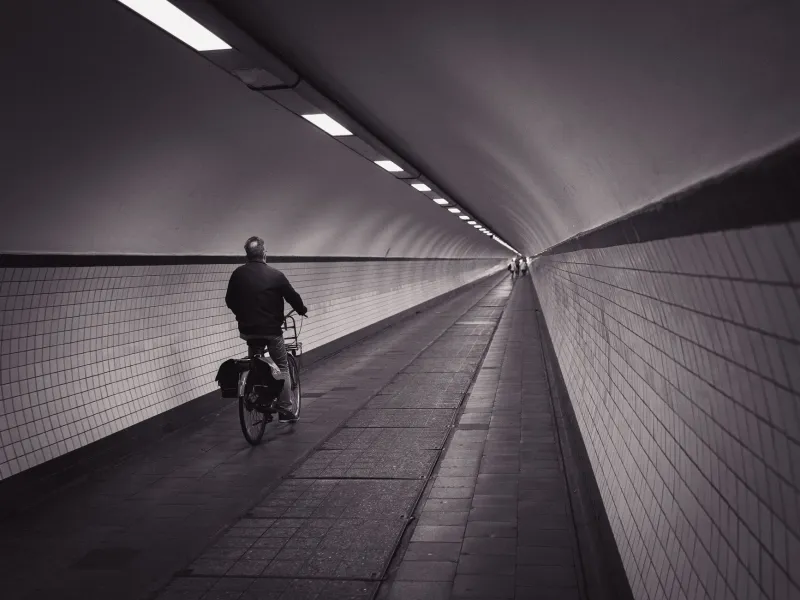
Photo by Photo by Loujane Alasi on Unsplash on Unsplash
Newcastle in winter rarely cancels a ride outright. It makes you negotiate. The forecast says rain at two, the radar shows a gap, the pavement outside your flat is dry but the gutter is already a river. The useful skill is not waiting for a perfect day. It is spotting a fifteen-minute window and building a ride around it.
That mindset came up again and again this month, talking to commuters, club riders and the staff who spend their days fixing the bikes that go out in it. The pattern is consistent: the people who keep riding through winter are not the ones with the best waterproofs. They are the ones who treat the forecast as a starting point rather than a verdict.
The forecast is a rumour, the radar is evidence
A seven-day forecast is useful for planning the week. It is almost useless for deciding whether to leave the house at 7:40am on a Tuesday. For that, the rain radar is the tool that earns its place on your phone. Learn how to animate it. Watch which way the showers are moving, how fast they are travelling and whether they are breaking up as they cross the Pennines or gathering over the coast.
On Tyneside, a west-to-east flow often means showers arrive in pulses. You might get a soaking at 8am and a dry hour at 10am. A quick look at the radar can tell you whether it is worth waiting twenty minutes with a coffee, or whether the whole morning is a washout. The Met Office and BBC Weather apps both give you a decent local picture, while Windy is handy for wind speed and gusts, especially if your route includes an exposed crossing of the Tyne.
Microclimates from the Tyne valley to the coast
The other lesson is that Tyneside does not have one winter. It has several, stacked within a few miles of each other.
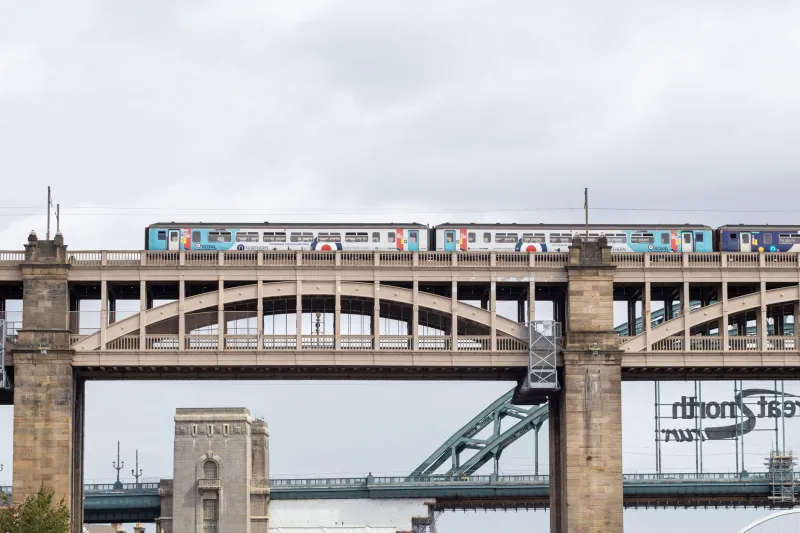
Head west towards Blaydon, Wylam and the Derwent Valley and you are more likely to meet proper, persistent rain. The valley can hold cloud and drizzle while the city centre is merely grey. Ride east towards Wallsend, North Shields and Tynemouth and you may find a different story: a cold haar sitting over the coast, damp sea air, and roads that stay slick long after the rain has stopped. The city centre and the Quayside can feel sheltered one minute and wind-tunnelled the next, especially around the bridges.
Bike shop staff in Heaton and Gosforth see the results of this every winter: riders who set off in dry Jesmond and arrive at the coast soaked, or the other way round. The practical answer is to check the radar for the whole route, not just your front door. If you are riding from Fenham to Tynemouth, look at what is happening over both ends of the journey and the exposed middle bit across the Tyne.
What riders actually watch
Commuters tend to care about three things: wind, road spray and whether the cycle lane is going to be a paddling pool. Club riders add a fourth: whether the temperature is low enough for ice in the shaded bits. Both groups check the same handful of clues.
Wind matters most on the bridges. A steady 15mph westerly is manageable; gusts over 35mph on the Tyne Bridge or the Swing Bridge are not a character-building challenge, they are a good reason to take the Metro or choose a more sheltered crossing. Road spray is the hidden tax of winter riding. Even after the rain stops, a wet surface can throw grit and cold water into your drivetrain and your shoes for miles. If the road looks shiny and the gutters are running, give it another half hour.
And then there is the street-level observation that no app can give you. Is the cycle path under the trees still holding leaf mush? Has the council gritted the main road but left the waggonway untreated? Is there standing water at the bottom of the dip on your usual route? A quick look out of the window, or a check of a local traffic camera, can save you a miserable first mile.
Build a ride that can bend
The most useful winter habit is to plan rides in loops and out-and-backs that can be shortened without drama. A fifteen-minute window is not much, but it is enough for a quick spin around the block, a short errand or a test ride to see what the roads are really like. If the radar holds, extend it. If the sky turns, turn for home.
That flexibility beats a rigid plan every time. A club rider from Gosforth put it simply: in winter, the ride you actually do is better than the perfect ride you cancelled. Keep a short route in your pocket — something that takes twenty minutes and stays close to home — and use it as your default when the forecast is marginal. You will still get out, and you will learn more about your local microclimate than any app can teach you.
The 2026 winter fifteen-minute checklist
Before you clip in, run through this quick decision list. It is not a guarantee, but it will help you judge the odds.
- Wind: Check sustained speed and gusts. If gusts are over 35mph on an exposed crossing, pick a sheltered route or leave the bike at home. Between 20 and 35mph, expect a fight on the bridges and choose your line carefully.
- Radar: Animate the last hour and the next hour. Is the rain moving away, breaking up, or settling in? A clear window of 30 minutes is usually enough for a short ride; a clear window of 15 minutes is enough for a quick test loop.
- Road spray: Look at the gutters and the surface. If the road is still running with water, wait. If it is damp but not pooling, you can ride, but expect a dirty bike and wet feet.
- Temperature: Around 3°C or below, treat shaded lanes, waggonways and bridge decks as potential ice. Main roads that have been gritted are usually a safer bet.
- Exit plan: Know how you will cut the ride short. A nearby Metro station, a shorter loop home or a friend with a van all count.
If three or more boxes look manageable, roll. If two or fewer do, swap the ride for a walk, a repair session or a trainer spin. The aim is not to be hard. The aim is to keep the habit alive until the lighter mornings come back.
When to call it
There is no prize for riding in the worst of it. If the wind is strong enough to push you across a lane, if the roads are icy in the shadows, or if the rain is so heavy that drivers are struggling to see, call it. Winter riding is about picking your moments, not proving a point. The fifteen-minute window is a tool for saying yes more often — not a reason to ignore the obvious no.
Get the forecast, check the radar, look at the street, and give yourself permission to ride small. On Tyneside, the dry miles are there if you are willing to wait for them.