Salt, Sleet and a Headwind on the Tyne Bridge: The Winter Kit That Actually Earned Its Keep
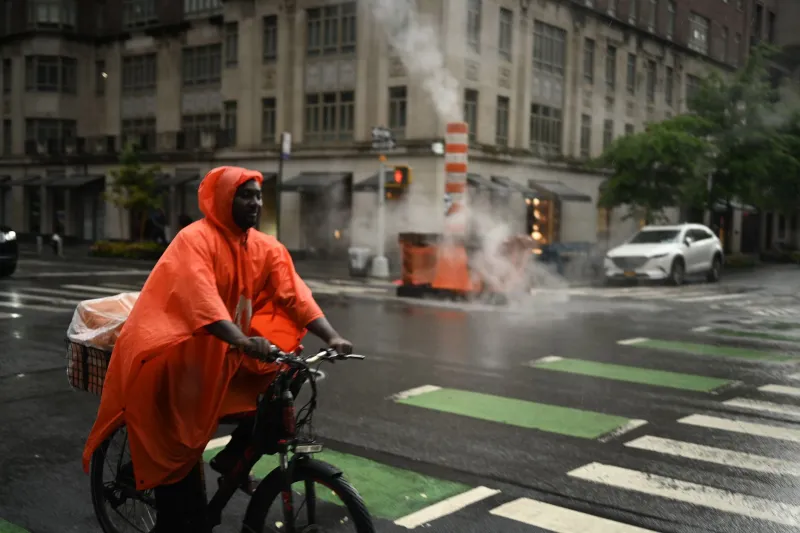
There is a particular kind of cold you only get on the Quayside in November. It comes off the river, picks up speed past the Swing Bridge and hits you square in the chest just as you think you've got away with a light jacket. Testing winter kit anywhere else tells you half a story. Testing it here tells you the truth.
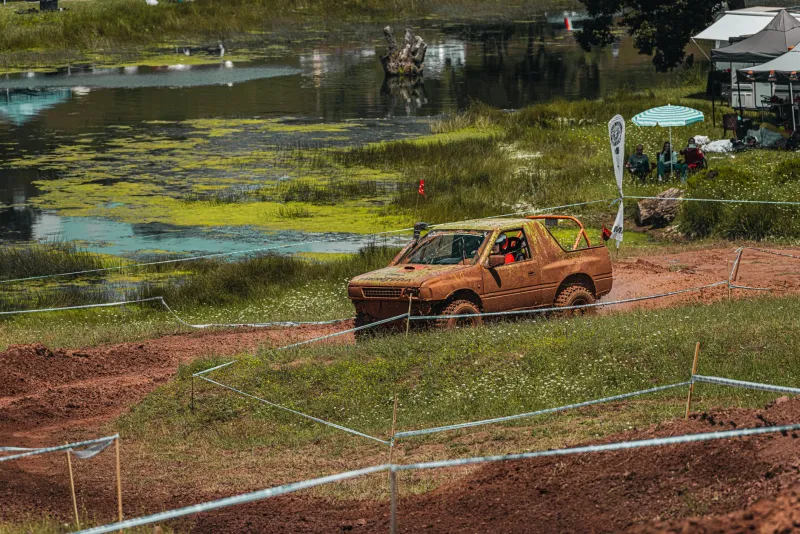
So that's what we did. From late September into the first proper cold snap of 2026, we put a deliberately mid-priced winter setup through the sort of riding most people in Newcastle actually do: the commute from Heaton into town, the riverside loop out to Newburn and Wylam, and one memorably filthy weekend at Kielder where the mud had its own postcode.
How we tested, and what we were looking for
No lab coats, no wind tunnels. Just a rider, a bike, a spreadsheet and a weather app that lied to us repeatedly. Every item had to survive at least 300 miles of real riding, including a minimum of eight soakings, two gritter encounters on the Coast Road and one genuinely unpleasant headwind on the Tyne Bridge that made a flat road feel like a climb.
Our benchmark was simple: would we spend our own money on it again? Not would it look good in a photograph, and not would it win an argument on a forum. Would it still be in the kit bag in February?
The jacket is where the money goes, and where the marketing gets silly
We ran a £120 two-and-a-half-layer hardshell against a £250 three-layer shell. On paper the expensive one wins everything. On a bike, in a Newcastle winter, the difference comes down to two things: pit zips and a long drop tail.
That drop tail matters more than any breathability rating printed on a hangtag. The long flap keeps road spray off your backside and stops the cold seep creeping up your lower back on the descent into the Ouseburn. The cheaper jacket had one; the pricier one didn't, and we noticed within a week.
The real enemy isn't rain, it's the boil-in-the-bag effect on the climb up towards Cradlewell or Benton Road. A shell that doesn't vent turns into a sauna and you arrive at work damp from the inside out, which is worse than being rained on because it never dries off. Our verdict: buy the jacket with big pit zips, taped seams and a proper tail. Ignore the rest of the acronyms.
Hands and feet: where winter is genuinely won
You can survive a mediocre jacket. You cannot survive cold hands. We tried three glove options and the winner was the least glamorous: a £35 pair of lobster mitts. Fingers together, warmth shared, and enough dexterity left to brake sensibly in traffic.
Below that, waterproof socks at around £20 changed the game more than any overshoe we tried. Neoprene overshoes are fine until grit shreds the sole, which on Tyneside roads takes about three weeks. If you commute daily, put the overshoe money towards a proper winter boot instead. It's a bigger upfront hit and a much smaller yearly one.
The other trick, passed on by a mechanic in Heaton who has clearly seen some things, is a spare pair of gloves in the bag at all times. Wet gloves on the ride home is the single most common reason people give up on winter commuting.
Lights, mudguards and the salt tax
On lights, we're boring and unapologetic. Two decent USB-C lights, one on the bars at around 800 lumens and one on the helmet, is the setup that kept us visible at the Haymarket junctions where everything happens at once. Reflective ankle bands cost a fiver and do more for side visibility than a £60 jacket upgrade.
Mudguards are not a style choice in this city, they're infrastructure. Full-length guards with a decent mudflap keep spray off your drivetrain, your shoes and the person behind you on the shared path. Our £12 flap has probably saved £60 of chain and cassette already.
And then there's salt. The gritters do their job, and then that job quietly dissolves your chain. Rinse with cold water when you get in, not hot, dry it roughly, and use a wet lube through the winter months. Wax is lovely in July. In January it lasts about as long as a takeaway coffee.
What we'd leave on the shelf
A few things didn't make the cut. Cheap overshoes with glued seams that fail in the first downpour. Battery lights with micro-USB ports in 2026, which is a decision someone should have to explain. Waterproof gloves that cost £90 and leaked at the thumb within a fortnight. And anything in high-vis yellow that turns a tired grey after six washes and delivers none of the visibility it promised.
The local knowledge bit
Half of what we learned came from other riders rather than from products. The staff at the workshops around Heaton and the Ouseburn were consistently honest about what lasts and what doesn't, and none of them tried to sell us the most expensive option, which tells you something.
Our favourite tip came from a rider on the Wylam loop: pack a thin insulated flask. A hot drink at the halfway point does more for morale than any piece of clothing, and the café stop at Newburn is much nicer when you arrive with your hands still working.
One Kielder caveat, since we promised honesty. No jacket survives Kielder mud gracefully. Take the cheapest waterproof you own and accept that it will be baptised.
The bottom line
If you're building a winter kit from scratch in 2026, spend in this order: hands, feet, lights, mudguards, then jacket. That order will keep you riding through to March, and it'll cost less than you think. Everything else is a nice-to-have that can wait until the sales.