The Two-Lock Habit: Bike Security That Works on Tyneside Streets
As November 2026 settles into its usual routine of dark commutes and damp saddles, bike security gets harder to ignore. The nights are longer, the city centre is busier, and a bike left outside a café or Metro station can feel a long way from safe. But the answer is not to wrap your frame in chain mail and never stop for coffee again. On Tyneside, good bike security is mostly a set of small habits that make your bike a less appealing target than the one next to it.
Know Where the Risk Actually Sits
Bike theft in Newcastle is not evenly spread. The highest-risk moments are usually the obvious ones: overnight parking on a shared street, a cheap cable lock outside a gym, a bike left in the same spot every day while you are at work. Student areas around Jesmond and Heaton, busy stretches near Northumberland Street and the Grainger Market, and transport hubs such as Central Station all see plenty of footfall, which cuts both ways. People discourage thieves, but crowded racks also give them cover.
That does not mean you should avoid the city centre. It means you should think about duration and repetition. A quick lock-up outside a bakery is a different risk from leaving a bike chained to the same railing for eight hours every weekday. If your bike is valuable, visible and predictable, it is worth changing the pattern: vary where you park, use secure parking when you can, and do not assume a quiet side street is safer just because it feels calmer.
Spend Your Money Where It Bites
The bike lock market is full of false comfort. A thick cable looks reassuring and is often the first thing a thief defeats. Cables are useful for securing a wheel or a helmet, but they should not be your main lock. For most riders in Newcastle, a good-quality D-lock is the sensible starting point, ideally rated Sold Secure Gold or Silver depending on the bike and the risk. If you are locking up in the city centre regularly, Gold is the better bet.
A practical set-up is one strong D-lock plus a secondary chain or cable. The D-lock does the heavy lifting; the cable or chain makes life harder for someone hoping to walk off with a wheel or a frame that has only been half secured. Heavy chains are excellent at home or in a shed, but they are less fun to carry around all day. Be honest about what you will actually use. A brilliant lock left at home is just expensive clutter.
The Two-Lock Habit
Locking technique matters as much as the lock itself. The aim is to secure the frame and at least one wheel to something genuinely immovable. A Sheffield stand is ideal. A wooden fence, a loose railing or a signpost that can be lifted over is not. Give the stand a nudge before you trust it. If it wobbles, move on.
My default is a D-lock through the rear triangle and rear wheel, fixed to the stand, with a cable looping through the front wheel and frame. That covers the expensive bits without needing a second D-lock. If you have quick-release wheels, either replace the skewers with security ones or carry a cable every time. Remove lights, bike computers and anything else that unclips easily. It takes twenty seconds and saves a lot of annoyance.
Lock high in the frame where possible, and keep the lock body off the ground. A lock resting on the pavement is easier to attack. Also, check that you have actually locked to the stand and not just to your own wheel. It sounds obvious until you see it happen outside a supermarket.
Secure Parking Around Newcastle
Newcastle is getting better at secure parking, but it is still patchy. Newcastle Central has secure cycle parking, though you should check opening hours and availability before building your commute around it. Some workplaces and residential developments have decent compounds or bike stores; use them if you can. A growing number of neighbourhoods have bike hangars, which are a useful option for people without a shed or hallway space.
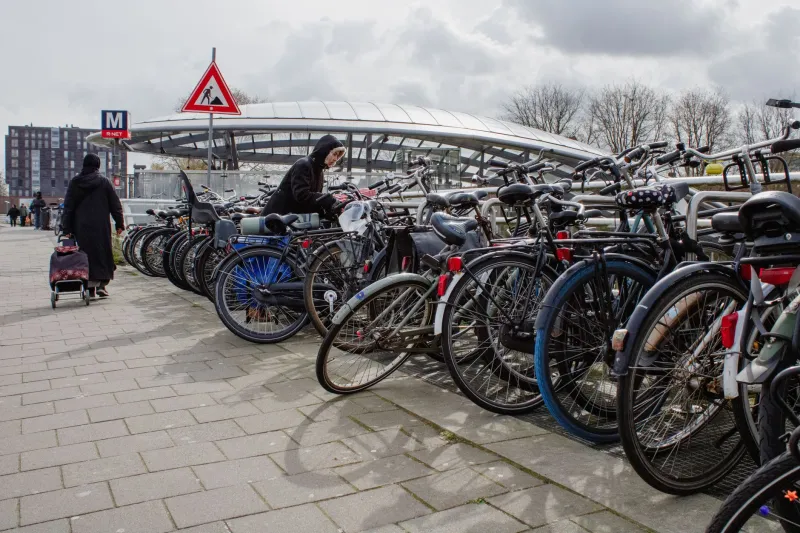
Metro park-and-ride sites and station racks vary. Some are covered and overlooked; others are simply a row of stands. Treat station parking as convenient, not automatically safe. If you are leaving a bike all day, use the best lock you own, take the removable bits with you, and consider whether a folding bike or a cheap second bike makes more sense for that trip.
At home, the same logic applies. A shed with a flimsy lock is a shed with a sign on it. Use a ground anchor and a heavy chain if possible, and avoid leaving a desirable bike in a shared hallway where anyone can scope it out. If you live in a flat, talk to neighbours about a communal bike store or hangar. Security is easier when it is shared.
Mark It, Register It, Insure It
A determined thief can defeat most locks given time and privacy. That is why marking and insurance matter. Get your frame number recorded, take clear photos of the bike, and keep the receipt. Register the bike with a recognised scheme such as BikeRegister or Immobilise, and look out for local police marking events. A marked bike is harder to sell on and easier to reunite with its owner.
Insurance is worth checking properly rather than assuming your home contents policy has it covered. Many policies include bikes away from home, but there are usually limits on value and conditions about the lock used. Check the excess, the overnight storage rules and whether racing or commuting is excluded. Specialist cycle insurance can be better for expensive bikes, but it is not automatically necessary. Read the small print before you need it.
The Café Stop Does Not Need a Military Operation
You do not need to carry three locks for a coffee in Ouseburn. For a short stop, use one good lock and keep the bike where you can see it if possible. Choose a seat by the window. Lock to something solid, even if it is only for ten minutes. Do not leave a bike unlocked outside a shop because you are only popping in. That is exactly the kind of gap opportunists look for.
For longer stops, use two locks or a lock plus a cable, and take the valuables with you. The goal is not to make your bike unstealable. That is impossible. The goal is to make it awkward enough that a thief looks elsewhere. Most bike crime is opportunistic, and friction works.
If the Worst Happens
If your bike is stolen, report it to Northumbria Police via 101 or the online service, and call 999 only if a theft is in progress. Register it as stolen with the marking scheme you used, tell your insurer, and keep an eye on local selling sites and cycling groups. Do not confront anyone. A bike is replaceable; you are not.
The honest version of bike security in Newcastle is not fear. It is routine. One good lock, one secondary cable, a bit of thought about where you leave the bike, and a note of your frame number. Do that often enough and it becomes the two-lock habit. Not glamorous, not paranoid, just the sensible way to keep riding.